Sustainable Lawn Turf Installation: Recycling & Low-Carbon Practices
 Our approach to Lawn Turf Installation combines practical landscaping with an ambitious environmental agenda. We set a clear recycling percentage target for all turf projects: a baseline goal of 90% recycling and recovery for materials removed during turf replacement, with a stretch target of 95% where local infrastructure permits. This target applies to lawn turf installation, turf lawn installation and associated site waste, and it is tracked project-by-project so that each synthetic grass or natural turf job contributes to a measurable circular outcome.
Every installation or replacement begins with a site audit to separate streams at source: soil and sub-base materials, plastic backing and synthetic fibres, rubber or sand infill, and any organic detritus. We align our operations with local boroughs' approach to waste separation ??? for example, where councils operate dual-stream recycling for organics and mixed recyclables, we segregate accordingly so materials can be accepted by municipal transfer stations. Reducing landfill is central to the way we specify and execute artificial turf installation projects.
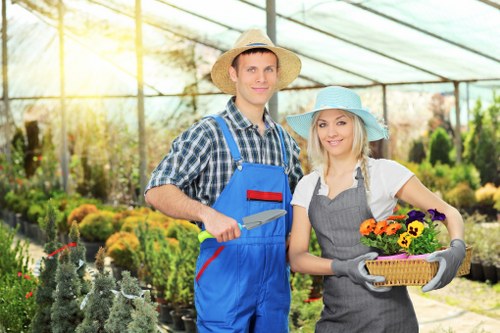 Key local transfer stations and processing centres are part of our network, enabling timely diversion of recovered materials. Typical transfer points include municipal depots that accept inert sub-base aggregates for reuse, borough-run sorting centres that receive plastics and synthetic fibres, and private recyclers that specialise in crumb rubber and plastic polymers. Our logistics planning ensures that separated loads go to the most appropriate facility so that the maximum proportion of removed turf and components is recycled or repurposed.
Sustainability Practices for Turf and Landscaping
We specify products and installation techniques to reduce waste generation at source. For new synthetic grass installations we favour modular systems with removable seams, recyclable backing materials, and non-toxic infill options so future replacements are simpler to process. When carrying out artificial turf installation or synthetic grass installation, crews are trained to segregate materials on-site and to record weights and destinations, ensuring transparency in the recycling chain.
 Partnerships with charities and community groups are a cornerstone of our reuse strategy. Where turf sections are in good condition, we coordinate donations to local youth clubs, community allotments, or school play areas. We also work with social enterprises that refurbish and redistribute offcuts and specialist landscaping materials. These collaborations reduce waste, provide community value, and keep usable turf in circulation rather than consigning it to energy-from-waste or landfill.
Operational sustainability extends to our vehicle fleet. We operate a growing number of low-carbon vans ??? electric and plug-in hybrid models ??? and schedule routes to minimise mileage and idle time. Using GIS route-optimisation and consolidated drop-off plans, our logistics reduce transport emissions associated with turf installation projects. Where electric charging infrastructure is limited, we prioritise low-emission hybrids and schedule trips to borough charging hubs to align with local energy policies.
Targets, Reporting and Community Integration
Our recycling percentage targets are combined with regular reporting so stakeholders can see progress: monthly diversion summaries for operational teams and quarterly sustainability statements for partner organisations. Targets include 90% material recovery for general installations, a goal of reusing at least 60% of sub-base aggregates, and an objective to redirect 50% of reusable turf to charity or community reuse channels. These metrics are verified against receipts from local transfer stations and recycling partners.
![A woman with blonde hair, wearing a green polka-dot top and brown cardigan, is sitting outdoors in a garden setting, smiling while holding a yellow flowerpot with white flowering plants. In front of her, there are empty plant pots of various sizes, including a small black pot, a terracotta-colored pot, and a larger black container, stacked or arranged on a wooden surface. To her left, there is a potted shrub with green leaves in a metal container. The background features a natural wood fence or paneling, providing a warm and tidy garden environment. The scene appears to be set on a bright, sunny day, emphasizing the lushness of the plants and the clarity of the setting, which relates to gardening, container planting, and outdoor plant care services offered by Lawn Turf Installation in the local area near [POSTCODE].](/pub/_photos/gardening/f1654013952.jpg) To make recycling practical for every project, we maintain a checklist and preferred-destinations list that references municipal and private facilities by borough. Typical entries include:
To make recycling practical for every project, we maintain a checklist and preferred-destinations list that references municipal and private facilities by borough. Typical entries include:
- North Borough Transfer Station ??? accepts inert aggregates and clean soil.
- Central Sorting Facility ??? processes plastics, mulch and synthetic fibres for polymer recovery.
- Community Reuse Hubs ??? accept donated sections of turf for schools and clubs.
![A garden scene in a residential outdoor space with a neatly maintained lawn and a flower bed bordered by wooden edging. In the foreground, two people—a man and a woman—are crouched down working together on developing the garden; the man, wearing a straw hat and a red plaid shirt, is tending to a small green shrub, while the woman, with a red hairband and a white t-shirt, is assisting with planting or pruning. To the left, a white wicker basket with a floral lining rests on the edge of the flower bed, possibly used for gathering garden tools or plants. The background features lush green trees and shrubbery, providing natural shade and privacy, with a hint of outdoor furniture or garden equipment blurred in the distance. The scene is lit by natural daylight on a mild weather day, reflecting a calm and inviting gardening environment, ideal for outdoor maintenance or landscaping activities that Lawn Turf Installation may support through professional gardening services in the local area around the postcode ZIP code in [TOWN].](/pub/_photos/gardening/f1313914880.jpg) Our long-term sustainability roadmap includes investment in on-site mechanical separation tools for rubber infill and backing materials, partnerships with specialist recyclers to increase polymer throughput, and expansion of our low-carbon vehicle fleet. We continue to trial advancements in materials so that future turf lawn installation and replacement cycles produce less waste and deliver higher rates of circular recovery. Transparency, community benefit, and a measurable reduction in carbon intensity guide every decision from initial specification to final handover.
Our long-term sustainability roadmap includes investment in on-site mechanical separation tools for rubber infill and backing materials, partnerships with specialist recyclers to increase polymer throughput, and expansion of our low-carbon vehicle fleet. We continue to trial advancements in materials so that future turf lawn installation and replacement cycles produce less waste and deliver higher rates of circular recovery. Transparency, community benefit, and a measurable reduction in carbon intensity guide every decision from initial specification to final handover.
Committed to continual improvement, we publish anonymised performance summaries showing how our projects perform against recycling targets and emission reduction goals. By coordinating with borough transfer stations, supporting charities with usable materials, and running low-carbon vans, our turf projects aim to set a practical standard for sustainable landscaping across the region.