Lawn Turf Installation in London

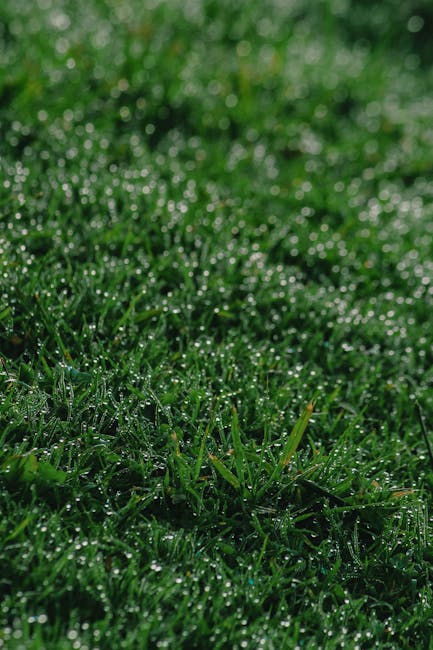
Fresh lawn turf installation in London gives outdoor spaces an immediate, usable finish, with a level surface and a consistent grass covering laid in carefully prepared sections. Our work focuses on replacing tired, patchy or bare ground with new turf that can root in properly and settle into the garden. We handle the practical stages that matter most: ground preparation, accurate laying, trimming to fit edges, and sensible aftercare guidance so the lawn has a strong start.
We approach each turfing job as a finish-led service. That means the preparation comes first, because turf only performs well when the base is even, free draining and clear of weeds, roots and debris. Whether the lawn area is small or more substantial, the aim is the same: a neat result that looks planned rather than patched together. If you are comparing options, it can help to think in terms of what the ground needs before the roll of turf goes down, not just what the grass will look like on day one.
For property owners who want a new lawn without the long wait of seeding, turf offers a straightforward route to an established look. It can be a practical choice after landscaping changes, following building work, or when an old lawn has become thin and uneven. Use our guidance to decide what kind of finish you want, then request a quotation when you are ready to move ahead.
Ground preparation and turf laying
A good turf installation starts beneath the surface. We prepare the area by clearing old grass, unwanted growth and loose material, then working the soil so the final bed is flat enough for even laying. Good preparation helps reduce dips, ridges and dry patches later on. The objective is a stable base that supports root contact across the full width of each roll, because turf that sits on uneven ground is harder to maintain and less attractive once it starts growing.
When laying the turf, we fit each piece closely so joins are discreet and the finished lawn reads as one surface. Edges are cut carefully around paths, borders, steps and other features. This stage needs attention rather than speed, because gaps and overlaps create problems once the lawn is watered and established. For clients planning wider garden improvements, a turfing project often works best after any heavy work has finished, so the new lawn is not disturbed by later trades or machinery.
Alongside the practical laying process, we also consider access, the state of the existing soil and the finish you want to achieve. If you have an awkward shape, narrow side return or area broken up by features, the turfing approach can be adapted so the lawn still feels balanced. For related outdoor work, some customers also review landscaping options at the same time, especially when the lawn forms part of a broader garden redesign.
What influences a turfing quotation

Quotation requests for lawn turf installation are usually shaped by a few practical factors: the size of the lawn, how much preparation is needed, whether old turf or soil must be removed, and how many awkward edges or features are involved. A flat open lawn is usually simpler than one with steps, tight corners or multiple border lines. If the existing ground has been compacted, uneven or badly drained, the preparation stage may take more work before new turf can be laid.
It also helps to think about the current condition of the site. A lawn that is already close to level may need light preparation, while a neglected patch may need more extensive clearance and regrading. We can assess the visible condition, explain the likely steps, and outline the work in a clear way before the job begins. In many cases, customers find it useful to group turfing with other garden improvements, such as garden clearance, where the area needs to be cleared before a new surface is installed.
Two short things help us quote accurately: the approximate lawn size and any detail about access or obstacles. If you can also say whether the old lawn is being removed, that makes the scope easier to define. You do not need to over-prepare the enquiry, but a simple description of the current lawn and the finish you want is usually enough to start the conversation. Clear information leads to clearer pricing, especially when the site is irregular or has more than one section.
New lawn finishes for different garden layouts
Not every garden needs the same turfing approach. A compact courtyard, front lawn or family garden all call for slightly different handling, especially where access or shape affects how the rolls can be moved and fitted. For smaller spaces, neat edge work and clean joins matter just as much as the main surface. For larger lawns, the planning focus often shifts to keeping the surface consistent across the whole area so the finish looks uniform from end to end.
Where gardens include flowerbeds, paving, timber features or retained borders, the lawn needs to be cut in carefully so the edge line looks intentional. The surrounding design can make a new turf installation feel sharper and more established, provided the surface is set level against nearby hard landscaping. In settings where the grass sits alongside fencing or raised structures, it is worth making sure the boundaries are ready before the turf arrives, which is why some customers review garden fence installation or similar upgrades alongside the lawn work.
After the turf has been laid, the early phase is about helping it knit into the soil rather than forcing it into heavy use too soon. A newly turfed lawn should feel solid underfoot, but it still needs time to root. We can explain the basic care points clearly, so you know when the surface is ready for light use and how to keep the finish looking even while it establishes.
Preparing the site before the turf arrives

Good results depend on what happens before delivery day. We usually recommend that the site is free from loose obstacles and that access is clear enough for the materials to be carried in without damaging nearby features. If old turf is being lifted, it is useful to know whether the area contains roots, rubble, compacted ground or patchy weed growth, because those conditions affect the amount of preparation required. A straightforward turfing quote is easier to shape when the existing surface is described honestly.
For many properties, this is the point at which customers decide whether they want turfing on its own or as part of a wider tidy-up. Where overgrowth, waste or leftover materials are in the way, the lawn area may need clearing before the ground can be reworked. In those cases, it can be sensible to look at garden maintenance for the wider space, so the new lawn does not sit inside an unfinished setting.
We keep the preparation advice practical rather than complicated. If you have photographs or a brief note about the size and shape of the lawn, that can help define the project, but the main point is simple: a turfed lawn needs a properly prepared base to perform well. The less guesswork there is about the condition of the site, the more accurate the scope can be.
Turf installation alongside wider garden work
Lawn turf installation often sits within a larger garden project rather than standing alone. Some customers want the grass renewed after hard landscaping has been completed, while others prefer to treat the lawn as the first visible sign that the outdoor space is being improved. Either way, it is usually best when the turfing stage is coordinated with the rest of the garden plan, so later work does not disrupt a newly laid surface.
If your project includes paving, paths, beds or other structural changes, the lawn can be fitted in once those elements are settled and the final levels are known. This avoids awkward rework and helps the whole garden feel consistent. For homes where the garden has become cluttered or uneven, turfing can also follow a tidying stage, especially when waste or old features have been removed. Some customers choose to review garden services more broadly when they want several outdoor tasks handled in a joined-up way.
We focus on the practical finish, not just the installation day. That means the turf is laid with the end result in mind: a lawn that sits properly against nearby surfaces, meets borders cleanly and gives the garden a more finished character. Careful sequencing matters, because turf should not be the last thing thought about if the rest of the garden still has major work to come.
About London
London is a large and historically layered city shaped by the River Thames, which curves through the centre and helps define many of its districts. The city grew from Roman Londinium into a major capital with a long record of trade, government, migration and rebuilding. Its built environment combines medieval fragments, Georgian terraces, Victorian civic buildings and modern towers, so the city often feels like a set of overlapping layers rather than a single uniform whole. Landmarks such as Westminster, the South Bank, the City and the West End reflect different functions that have developed across centuries, from administration and finance to theatre, markets and leisure. Beyond the famous centre, many boroughs include local high streets, parks, manor houses, converted industrial sites and distinct residential quarters that retain their own identities.
Aftercare for a newly laid lawn

Once the turf is in place, the early care phase matters just as much as the installation. New grass needs moisture, steadiness and time to root into the prepared soil below. It is sensible to avoid heavy use at the start, because repeated pressure can shift fresh rolls before they have settled. The first few weeks are usually about helping the lawn bond properly, keeping the surface even and encouraging new growth rather than rushing to treat it like a fully established garden feature.
Simple care usually works best. Light watering, sensible restraint with foot traffic and careful monitoring of how the surface settles are all part of a healthy start. If the weather is warm and dry, the lawn may need closer attention than it would in a cooler spell. The aim is not to overcomplicate the process, but to avoid common mistakes such as letting the edges dry out or allowing the lawn to be used too soon. If a property also needs nearby hard surfaces refreshed, some owners compare turfing with patio cleaning so the whole outdoor area looks consistent.
For customers who want a straightforward route to a stronger-looking garden, a newly laid lawn can make a significant visual difference without needing a long establishment period. The key is to match the installation to the site conditions and then protect that early investment with calm, practical aftercare. If you are planning a new lawn, now is a sensible time to gather your details and ask for a quotation.
Choosing the right turfing approach
Different properties call for different levels of work, and it helps to choose a turfing approach that matches the state of the ground rather than assuming every lawn needs the same treatment. Some gardens need only basic reworking and new turf. Others require more involved preparation to correct levels, remove worn material or improve the look of the edge lines. A clear scope at the start prevents disappointment later, because the finish then reflects the real condition of the site.
Where there are nearby shrubs, beds or other planted areas, the lawn needs to be shaped so the border line looks deliberate and the whole garden reads as one connected space. If the turf is being laid after a period of neglect, it may be useful to think about whether the surrounding garden also needs sorting out. In some cases, customers pair the turfing plan with lawn mowing services for other areas, especially when different parts of the outdoor space need different levels of care.
It is also worth considering how the lawn will be used once it is established. A decorative front strip, a family lawn and a transition area between garden zones all place different demands on the turf. The best choice is usually the one that fits the intended use, the shape of the ground and the time available for the lawn to settle. Keep your brief simple, and the quotation can focus on the work that actually needs doing.
Common reasons people replace an old lawn

People often choose replacement turf when the existing lawn has become thin, uneven, heavily worn or dominated by patchy growth that will not improve quickly. In other cases, the lawn may have been damaged by building work, poor drainage, repeated trampling or years of inconsistent maintenance. Rather than trying to patch over those issues, new turf can provide a cleaner starting point and remove the visual distraction of mixed colours, bare spots and rough texture.
Replacement can also make sense when the garden layout has changed. New paving, wider borders, altered access routes or revised planting schemes can leave the old lawn looking out of place, even if it is still partly healthy. A fresh installation helps the garden feel unified again. If the wider outdoor space needs more than just new grass, it may be useful to look at landscape gardening so the lawn fits the overall design rather than standing apart from it.
For a simple next step, prepare a brief note about the size of the lawn, its current condition and any features around it. That is often enough to start a sensible quotation conversation. If you are ready to move forward, keep the request focused on the surface you want replaced, the area involved and the kind of finish you expect. We are ready to help you plan the lawn work and invite you to request a quotation today.