Health and Safety Policy for Lawn Turf Installation
 This Health and Safety policy sets out the principles and practical measures that govern safe turf installation on domestic and commercial sites. It applies to all staff, contractors and visitors engaged in lawn turf installation, turf laying and related landscaping operations. The purpose is to reduce risks during preparation, delivery, laying and aftercare of turf, ensuring that every activity follows clear safety expectations and that hazards are identified, controlled and monitored.
Responsibilities and Leadership
Managers and site supervisors must ensure that risk assessments are current and that workers are trained for the specific tasks involved in turf installation. Every worker has a duty to follow safe systems of work and to report unsafe conditions. Supervisors are responsible for carrying out pre-start checks, enforcing PPE requirements and maintaining records of training and toolbox talks. Accountability is shared: leadership provides support and resources while operatives maintain safe behaviours on the ground.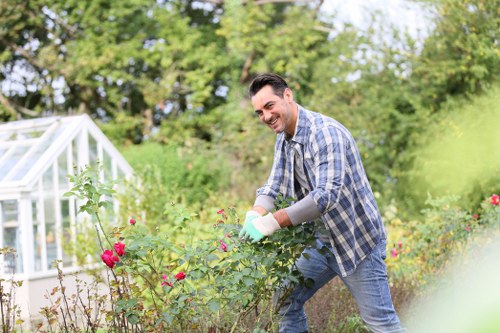 Risk assessment and planning are essential steps before any turf project begins. A competent person should evaluate ground conditions, underground services, access, gradients and potential environmental impacts. The assessment must identify mechanical, manual handling, chemical and traffic risks associated with turf delivery and installation. Control measures should be proportionate to the hazard and include exclusion zones, traffic management and safe unloading procedures to protect both workers and the public.
Personal Protective Equipment and Tools
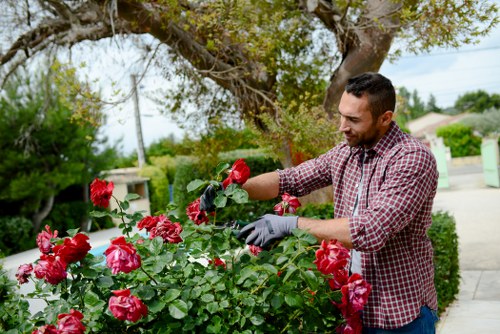
Proper PPE reduces injury and illness. Standard requirements for turf laying operations include safety boots, gloves, eye protection and high-visibility clothing when working near vehicles. Equipment must be maintained, inspected and used only by trained personnel. A basic checklist of common hazards and controls includes:- Mechanical hazards: use guards and maintain machinery used for levelling and compacting.
- Manual handling: apply team lifting, lifting aids and rotation to reduce strain.
- Environmental hazards: mitigate slips, trips and exposure to sun or cold.
 Emergency response and first aid arrangements must be clearly communicated and visible on site. First aid kits, eyewash and burn supplies should be readily available. All incidents, near misses and injuries must be reported and recorded promptly for investigation and learning. Ensure that emergency vehicle access and evacuation routes remain clear throughout the turf install process. Rapid response planning is essential when working on larger or remote sites.
Manual handling, repetition and physical strain are common in turf laying. Implement mechanical aids such as drum rollers, turf carts and trolleys to limit lifting and carrying. Rotate duties to avoid repetitive strain and schedule adequate breaks, especially in warm weather where heat stress can become a risk. Consider weather forecasts in planning and provide shaded rest areas and hydration stations to protect workforce wellbeing.
![A man and a woman are working together in a well-maintained garden, with the man crouched down in front of a lush green lawn and the woman seated nearby. The garden features a vibrant flower bed with various flowering plants in shades of purple, pink, and white, bordered by soil and small paving stones. Behind them, tall trees and dense shrubs create a natural backdrop, providing shade and privacy. The scene takes place on a bright, sunny day, with diffused sunlight illuminating the outdoor space, highlighting the healthy, green grass and colorful blooms. The man is wearing a straw hat, a checked shirt, and gardening gloves, while the woman has her hair tied back and is dressed in casual gardening attire. Both are engaged in planting or tending to potted plants, reflecting outdoor gardening activities typical for maintaining home landscaped gardens. This image is relevant for a gardening service website, such as lawnturfinstallation.co.uk, emphasizing lawn care and planting services in residential gardens near [POSTCODE] or [TOWN].](/pub/_photos/gardening/f1996693312.jpg) Site management and environmental care are central to a safe installation. Establish clear pedestrian and vehicle routes and use signage and barriers to segregate public access from operational areas. Protect soil, watercourses and landscaping from contamination during turf preparation and aftercare. Waste materials, packaging and turf offcuts must be stored and disposed of responsibly to reduce slip hazards and environmental harm. Good housekeeping is a continual requirement.
Site management and environmental care are central to a safe installation. Establish clear pedestrian and vehicle routes and use signage and barriers to segregate public access from operational areas. Protect soil, watercourses and landscaping from contamination during turf preparation and aftercare. Waste materials, packaging and turf offcuts must be stored and disposed of responsibly to reduce slip hazards and environmental harm. Good housekeeping is a continual requirement.
 Contractor coordination is required when multiple trades are present. Ensure everyone understands the site rules, emergency procedures and the specified controls for turf work. Regular communication, pre-start briefings and documented handovers reduce the potential for confusion and unsafe overlaps between teams. Supervisors should conduct periodic checks to confirm the turf installation safety plan is being followed and adjust measures as necessary.
Continuous improvement underpins this policy: monitor performance through inspections, audits and incident review, and update procedures to reflect lessons learned and technological advances in turf laying. Training and competence development are ongoing commitments that support safer outcomes for natural and synthetic turf installations alike. By embedding these safety standards, turf contractors and landscapers can deliver high-quality, safe lawn turf laying operations while protecting people and the environment.