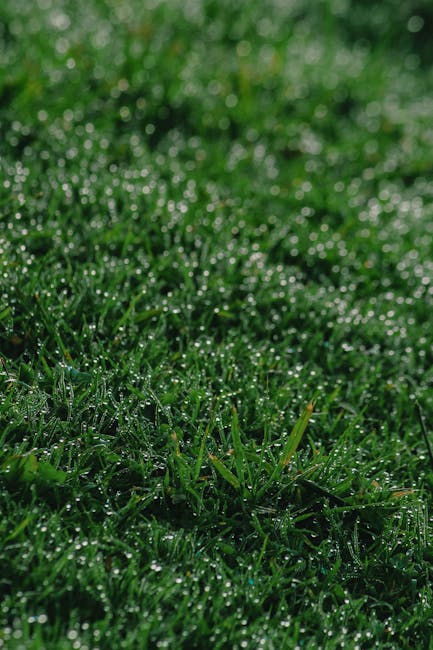
Step by step lawn repair after winter for UK gardeners
Winter can leave even a decent lawn looking tired, patchy, and a bit defeated. Bare spots, moss, soggy areas, and flattened grass are all common after a wet British season. The good news? Most lawns can be brought back with a sensible, step by step lawn repair after winter for UK gardeners approach. You do not need to rip everything up and start again. In many cases, a careful spring recovery plan is enough to restore colour, thickness, and resilience.
This guide walks you through what to do, when to do it, and how to avoid the small mistakes that can slow recovery. It is written for ordinary gardens, not golf-course perfection, so the advice is practical, realistic, and suited to UK conditions. If you want the clearest path from winter damage to a healthier lawn by late spring, you are in the right place.
Table of Contents
- Why this matters after a UK winter
- How lawn repair works in practice
- Key benefits and practical advantages
- Who this is for and when it makes sense
- Step-by-step guidance
- Expert tips for better results
- Common mistakes to avoid
- Tools, resources and recommendations
- Law, compliance, standards, or best practice
- Options, methods, or comparison table
- Case study or real-world example
- Practical checklist
- Conclusion
- Frequently asked questions
Why Step by step lawn repair after winter for UK gardeners Matters
A UK winter is rarely kind to grass. Rain compacts soil, frost can damage blades, shade lingers longer than you would like, and foot traffic on soft ground can leave the lawn looking a bit battered. By March or April, many gardens have a mix of thin grass, mossy patches, mud, and the odd dead area where water sat for too long. That is normal, but it is also a warning sign.
Repairing the lawn properly matters because grass does more than look neat. A healthy lawn helps reduce mud, improves drainage over time, supports outdoor use for children and pets, and gives the whole garden a more finished feel. Truth be told, once the lawn starts to thin, weeds and moss often move in quickly. If you leave it, the job gets bigger.
There is also a timing issue. In the UK, spring and early autumn are usually the best windows for grass recovery. Repairs done at the right time have warmth, moisture, and longer daylight on their side. Do them badly, or too early in cold soil, and you can waste seed, effort, and patience. Nobody wants to reseed twice. Nobody.
How Step by step lawn repair after winter for UK gardeners Works
Lawn repair after winter is not one single task. It is a sequence of small jobs that work together. First, you assess the damage and clear out debris. Then you loosen compacted soil, remove moss or dead material, overseed thin areas, fill low spots, feed the lawn, and keep moisture steady while new growth establishes.
The logic is simple. Grass seed needs close contact with soil, enough warmth to germinate, and enough moisture to survive the first few weeks. If the surface is clogged with thatch, moss, or compacted clay, the seed will struggle. If the lawn is dry on top and waterlogged underneath, roots will not settle properly. So the repair process focuses on improving the growing conditions before expecting fast results.
In UK gardens, this often means working with mixed soil conditions. One corner may be heavy and wet, another may dry out fast, and the front strip may be compacted from constant use. A good repair plan takes that into account instead of treating every square metre the same. That small bit of judgement makes a big difference, honestly.
Key Benefits and Practical Advantages
When done well, post-winter lawn repair gives you more than a cosmetic lift. It creates a stronger base for the rest of the year and makes routine maintenance easier.
- Thicker grass cover: Overseeding and feeding help fill gaps so weeds have less room to invade.
- Better drainage and soil health: Aeration and topdressing can reduce surface sealing and improve root growth.
- Improved kerb appeal: A recovered lawn instantly makes a garden look more cared for, even before the flower beds catch up.
- Safer use: A more even lawn is easier to walk on, play on, and mow without bouncing over bare patches and holes.
- Less future work: Fixing weak spots early is far easier than trying to rescue a lawn that has collapsed into weeds, moss, and ruts.
There is a quieter benefit too. Once you get the lawn back under control, the whole garden feels less stressful. You stop noticing the same ugly patch every time you look out the window. That matters more than people admit.
Who This Is For and When It Makes Sense
This guide is for UK gardeners dealing with a lawn that has come out of winter looking rough, but still has a decent amount of live grass left. If you can see green shoots among the damage, there is usually something worth repairing.
It makes sense if your lawn has one or more of these problems:
- patchy, thin, or straw-coloured areas after winter
- moss build-up in damp or shaded sections
- small bare patches from dog use, children, or heavy footfall
- shallow dips caused by settling soil or repeated use
- surface compaction from wet conditions
- poor bounce-back after frost or prolonged rain
It may be better to consider more extensive renovation if the lawn is mostly weeds, heavily uneven, or badly drained across a large area. In those cases, repairs can still help, but you may need to look at the bigger picture and decide whether a partial renovation or new lawn is more realistic. If you are weighing that up, it can help to compare options and speak to a professional team via the pricing and quotes page rather than guessing your way through it.
Step-by-Step Guidance
Here is the practical bit. Follow the steps in order and you will give your lawn a much better chance of recovering properly. You do not have to rush all of this in one afternoon. In fact, splitting the work over a few days is often the smarter move.
1. Assess the lawn once the worst of winter has passed
Start by walking the lawn slowly and checking how it feels underfoot. Is it firm, soft, springy, or squelchy? Look for dead patches, moss, weed encroachment, and puddling after rain. It helps to make a few rough notes. Nothing fancy. A quick mental map is enough for most gardens.
If the grass is still frozen or the soil is very wet, wait. Repairing a lawn in poor conditions can do more harm than good. Early spring is often a window of opportunity, but only when the soil is workable.
2. Rake out debris, leaves, and dead material
Use a spring-tine rake or a leaf rake to remove twigs, leaves, matted grass, and loose thatch from the surface. This improves airflow and helps you see the true condition of the lawn. You may be surprised how much gets hidden under winter debris. It's a bit grim, yes, but useful.
Raking also helps lift flattened grass so light can reach the base of the plant. For small lawns, this can make the lawn look better almost immediately. For larger lawns, it is still worth the effort because it prepares the surface for everything that comes next.
3. Mow carefully, but not too short
Give the lawn its first light cut when it is dry enough and actively growing. Keep the blades high. Cutting too short after winter can stress fragile grass, especially if the lawn is patchy or newly recovering. The aim is to tidy, not scalp.
If your mower has a grass box, use it. That keeps the surface cleaner and reduces the chance of smothering weaker grass. In a damp UK spring, clumps left on the lawn can turn soggy quickly, which nobody wants.
4. Scarify lightly if moss or thatch is building up
Scarifying means dragging out moss, thatch, and dead material so fresh grass can breathe. For a winter repair job, light scarifying is often enough. Go gently. If you are too aggressive, especially on a weak lawn, you can open up more bare ground than you intended.
What you are looking for is a cleaner surface, not a lawn that looks like it has been attacked by an enthusiastic badger. If moss is severe, you may need to deal with the underlying cause too, such as shade, drainage, or compaction.
5. Aerate compacted areas
If the lawn feels hard underfoot or water lingers after rainfall, aeration can help. This simply means creating small holes in the soil so air, water, and nutrients can move more freely. For small gardens, a garden fork can do the job. For larger or more compacted lawns, a hollow-tine aerator or hired machine may be more efficient.
Aeration is especially helpful on clay-heavy soils, which are common in many parts of the UK. It can make an unglamorous difference, but a real one. The grass roots will thank you later.
6. Treat bare patches and thin areas with seed or turf repair mix
For small patches, loosen the top layer of soil with a hand fork, add a little topsoil if needed, and sow a suitable grass seed mix. Press the seed in lightly so it makes good contact with the soil. For slightly larger thin areas, use a lawn repair mix designed to combine seed, feed, and soil improvers.
If the damage is more extensive than a few patches, overseeding the whole lawn may be better than spot fixing. That gives a more even finish and avoids a patchwork effect later on. Uneven repair can be obvious for months, and let's face it, most people do notice.
7. Topdress low spots and improve the surface
Where the lawn has shallow dips, apply a thin layer of topdressing made from suitable soil and sand blend, then work it level with the back of a rake. This helps smooth out small hollows, supports seed germination, and improves soil structure. Keep the layer thin. Smothering grass is not the goal.
Topdressing works best after aeration, because it can settle into the holes and improve the root zone. On heavier lawns, this can be one of the most helpful steps in the whole process.
8. Feed the lawn at the right time
Once the lawn has started to recover, apply a spring lawn feed suited to active growth. A balanced feed can encourage healthy leaf growth and stronger roots. Avoid overfeeding, especially early in the season. Too much nitrogen too soon can lead to a burst of soft growth that looks good for a week and then collapses when weather turns dry or cold.
Use the product instructions carefully. In general, even application matters more than heavy application. A patchy feed job can create uneven colour, which is a little annoying when you have just spent time trying to improve the lawn.
9. Water consistently, but do not overdo it
New seed and fresh repairs need moisture to establish. In a dry spell, water lightly and regularly rather than flooding the area once a week. The surface should stay damp, not waterlogged. If you can press the soil and it feels cool and slightly moist, you are usually in the right zone.
Spring weather in the UK can flip from rainy to surprisingly dry in a matter of days, so keep an eye on conditions. A repaired lawn is a bit like a toddler with a new coat: a little attention goes a long way.
10. Keep off repaired areas and wait for establishment
Try to avoid heavy use on seeded or patched areas until the grass has rooted properly. That means reducing foot traffic, keeping pets off where possible, and being patient with mowing. On a small family lawn, this can be the hardest part. Still, it matters.
Once the grass reaches mowing height, cut gently and gradually lower the blades over time. Sharp mower blades make a big difference here. Ragged cuts can stress young grass and invite disease.
Expert Tips for Better Results
The difference between an okay repair and a genuinely good one usually comes down to small, sensible decisions. These are the details that tend to separate tidy lawns from lawns that keep going back to square one.
- Test the drainage pattern first: If the same area stays wet every winter, fix the cause, not just the symptoms.
- Use seed suited to the site: Shade-tolerant seed for shaded parts, hard-wearing mixes for play areas, and finer mixes for decorative lawns.
- Choose a dry day for preparation: Raking and light scarifying are much easier when the surface is dry.
- Work in stages: It is often better to do the lawn over two or three sessions than to rush everything in one go.
- Keep mower blades sharp: A clean cut helps the grass recover and looks noticeably better.
Another useful habit is to check the lawn after rain. That is when drainage issues show themselves clearly. A garden can look fine on a bright morning and reveal all its trouble by tea-time after a shower. Very British, really.
Common Mistakes to Avoid
Most lawn repair problems come from doing too much, too soon, or in the wrong conditions. The following mistakes are common, but thankfully avoidable.
- Scalping the lawn too early: A hard first cut weakens already stressed grass.
- Ignoring compacted soil: Seeding into hard ground usually gives disappointing results.
- Using the wrong seed mix: A lawn in shade needs different support from a sunny, high-traffic area.
- Overwatering: Constant soaking can wash seed away or encourage disease.
- Applying too much fertiliser: More feed is not always better, and it can scorch or force weak growth.
- Expecting instant results: Grass repair takes weeks, not days.
One of the biggest errors is treating every problem as if seed alone will solve it. If drainage is poor or moss is thriving because the lawn is shaded and compacted, seed is only part of the answer. The lawn is telling you something. It pays to listen, awkward as that sounds.
Tools, Resources and Recommendations
You do not need a shed full of specialist gear, but the right basic tools make the work much easier and the result cleaner.
| Tool or product | What it helps with | When it is most useful |
|---|---|---|
| Spring-tine rake | Removing debris, thatch, and loose moss | Early in the repair process |
| Garden fork or aerator | Relieving compaction and helping drainage | On firm, worn, or waterlogged areas |
| Grass seed | Filling bare patches and thickening thin lawn areas | After preparation and light raking |
| Topsoil or lawn topdressing | Levelling hollows and improving seed contact | Where the surface is uneven or worn |
| Spring lawn feed | Encouraging healthy recovery and growth | Once the grass is ready to grow actively |
| Sharp mower | Clean cutting and better appearance | After the lawn begins to recover |
If you are not sure whether to repair, renovate, or replace, it is worth getting a proper view of the lawn before spending money on products you may not need. You can also review a company's service approach and values on their about us page, or see how they handle recycling and sustainability if you are trying to make a more thoughtful choice.
Law, Compliance, Standards, or Best Practice
For ordinary homeowners, lawn repair is mostly a matter of good gardening practice rather than legal compliance. Still, there are a few common-sense points worth noting in the UK.
If you hire someone to do the work, it is sensible to check that they take health and safety seriously, use suitable equipment, and carry appropriate insurance. That does not just protect the contractor; it protects your home and anyone else using the garden. Pages such as health and safety policy and insurance and safety are useful signs that a company thinks carefully about risk, not just appearance.
It is also worth understanding the basics of waste handling. If old turf, dead moss, or removed material is being cleared away, responsible disposal matters. On larger jobs, check whether the contractor explains how materials are managed. A clear recycling and sustainability approach is a reassuring sign.
Finally, if you are requesting professional work, it is reasonable to review terms and conditions, payment and security, and the provider's complaints procedure. None of that is glamorous, I know, but it is the kind of detail that prevents headaches later.
Options, Methods, or Comparison Table
Not every damaged lawn needs the same fix. The best method depends on how bad the winter damage is, how much time you have, and how fast you want results.
| Method | Best for | Pros | Limits |
|---|---|---|---|
| Spot patch repair | Small bare patches or pet damage | Quick, low cost, easy to target | Can look uneven if too many patches are spread around |
| Overseeding | Thin but mostly intact lawns | Improves thickness and colour across the whole lawn | Needs good seed contact and regular watering |
| Aeration plus topdressing | Compacted, worn, or slightly uneven lawns | Improves soil structure and root growth | Takes more effort and may need repeat treatment over time |
| Partial renovation | Larger damaged areas with mixed problems | More thorough and better for patchy, tired lawns | More time, more material, more follow-up care |
| Full replacement | Lawns that are mostly failed or badly uneven | Fresh start and consistent finish | Highest disruption and usually the most expensive option |
For many UK gardens, overseeding plus light aeration is the sweet spot. It is often enough to bring the lawn back without turning the garden into a building site. If you are unsure where your lawn sits on that spectrum, a professional quote can be a useful reality check. You can start with pricing and quotes and then decide whether a repair or more comprehensive treatment is the smarter choice.
Case Study or Real-World Example
Imagine a typical semi-detached garden in the Midlands after a wet winter. The lawn is mostly alive, but the centre strip has gone thin where the family walked back and forth to the shed, the shaded edge near the fence is mossy, and one corner has a shallow dip where water sits after rain.
A sensible repair plan would look like this: the gardener rakes out debris, gives the lawn a gentle mow, lightly scarifies the mossy edge, forks over the compacted centre strip, topdresses the dip, overseeds the thin patches, and applies a modest spring feed once new growth starts. They water the seed during dry spells and keep off the area for a couple of weeks.
By early summer, the lawn is not perfect, but it is thicker, more even, and far easier to maintain. The damp corner still needs attention because drainage is not ideal, but the garden is usable again. That is the sort of result most people are after. Not magazine perfection. Just a lawn that looks cared for and behaves itself.
Practical Checklist
Use this checklist as a quick reminder before you start. It keeps the job focused and helps stop those annoying little oversights.
- Wait until the soil is workable and not frozen or waterlogged
- Rake off leaves, twigs, dead grass, and loose moss
- Give the lawn a light first mow if growth has started
- Scarify only as much as the lawn can handle
- Aerate compacted or badly drained areas
- Loosen soil in bare patches before adding seed
- Topdress low spots with a thin, even layer
- Use a suitable grass seed for shade, wear, or general repair
- Apply feed at the right time and in the right amount
- Water gently and consistently during establishment
- Limit traffic on repaired areas
- Check progress weekly and make small adjustments
Expert summary: The best lawn repairs after winter are usually the ones that improve the growing conditions first and the appearance second. If the soil is healthier, the grass nearly always follows.
If you would like professional support, clear guidance, or a tailored quote for a more serious repair, speak with a specialist through the contact us page. A quick conversation can save a lot of guesswork, and sometimes that is worth more than another bag of seed.
Get a free quote today and see how much you can save.
Conclusion
Repairing a lawn after winter is not complicated, but it does reward patience and good timing. Start by clearing away debris, then deal with compaction, bare patches, low spots, and feeding in the right order. In UK gardens, that step by step approach is usually far more effective than trying to throw one product at the whole problem.
The real aim is a lawn that recovers steadily and stays manageable through spring and summer. Keep your expectations sensible, watch the weather, and do not rush the recovery. A bit of care now can change how the garden feels for the rest of the year.
And if your lawn is looking a bit sorry for itself at the moment, that is not the end of the story. It is just the part where you put it back together.
Frequently Asked Questions
When should I start repairing my lawn after winter in the UK?
Usually once the soil has thawed, drained, and started to warm up. For many UK gardens, that is some time in early to mid-spring, but local weather matters more than the calendar. If the ground is too wet or cold, wait a little longer.
Do I need to scarify every lawn after winter?
No. Scarifying is useful where moss and dead material have built up, but not every lawn needs it. A light rake may be enough for lawns with only minor winter debris. If the turf is already weak, keep scarifying gentle.
Can I just overseed bare patches without aerating first?
You can, but results are usually better if you loosen the soil first. Seed needs good contact with the ground to germinate well. On compacted or worn areas, a few fork holes or light aeration can make a noticeable difference.
What is the best grass seed for repairing a UK lawn?
It depends on the lawn. A hard-wearing mix suits family use, while a shade-tolerant mix is better under trees or near fences. For general repair, a quality lawn repair mix is often the simplest option because it is designed for patching.
How long does lawn repair after winter take?
Small patch repairs can show progress in a few weeks, but a fuller recovery often takes most of the spring. Weather, soil temperature, watering, and how damaged the lawn was all affect the pace. Patience helps. A lot.
Should I feed the lawn before or after seeding?
It is usually better to follow the seed or repair product instructions and avoid applying too much feed at once. Some repair mixes include feed already. If you are using separate products, timing matters, so do not pile everything on together unless the product guidance says it is suitable.
Why does my lawn stay muddy after winter?
Mud usually means the soil is compacted, poorly drained, or both. Heavy use in wet weather can make it worse. Aeration, topdressing, and improving weak drainage areas are often more effective than simply adding more seed.
Can I repair a lawn if it is mostly in shade?
Yes, but you need to be realistic. Shaded lawns often grow more slowly and can struggle with moss. Use shade-tolerant seed, reduce compaction, and avoid overwatering. Sometimes the bigger issue is not the grass, but the conditions around it.
What should I do if moss keeps coming back?
Repeated moss often means the lawn is damp, compacted, shaded, or low in vigour. Removing moss is only part of the job. You also need to improve airflow, reduce compaction, and encourage thicker grass so the moss has less room to return.
Is it worth hiring a professional for lawn repair after winter?
If the damage is minor, many homeowners can manage it themselves. If the lawn has bigger drainage issues, severe compaction, or large damaged areas, a professional assessment can save time and wasted material. It is especially useful if you are unsure whether repair or replacement is the better move.
How often should I water newly repaired lawn areas?
Water lightly enough to keep the surface damp while seed is germinating, especially during dry spells. The aim is steady moisture, not saturation. Too much water can wash seed away or create soft, weak growth.
What if my lawn still looks patchy by early summer?
Some areas may need a second light repair or a bit more topdressing. That is not unusual, especially after a rough winter. Check whether the patch is getting enough light, water, and root contact. If it still refuses to improve, there may be an underlying drainage or soil issue worth addressing.